
ECP Therapy and Atrial Fibrillation (A-Fib)
Supporting Heart Health Through Improved Circulation
Atrial fibrillation, often called A-Fib, is the most common type of heart rhythm disorder. It occurs when the upper chambers of the heart beat irregularly, which can lead to symptoms such as fatigue, shortness of breath, and an increased risk of stroke.
While medications and medical procedures are often used to manage A-Fib, improving overall cardiovascular health and circulation can also play an important role in supporting heart function.
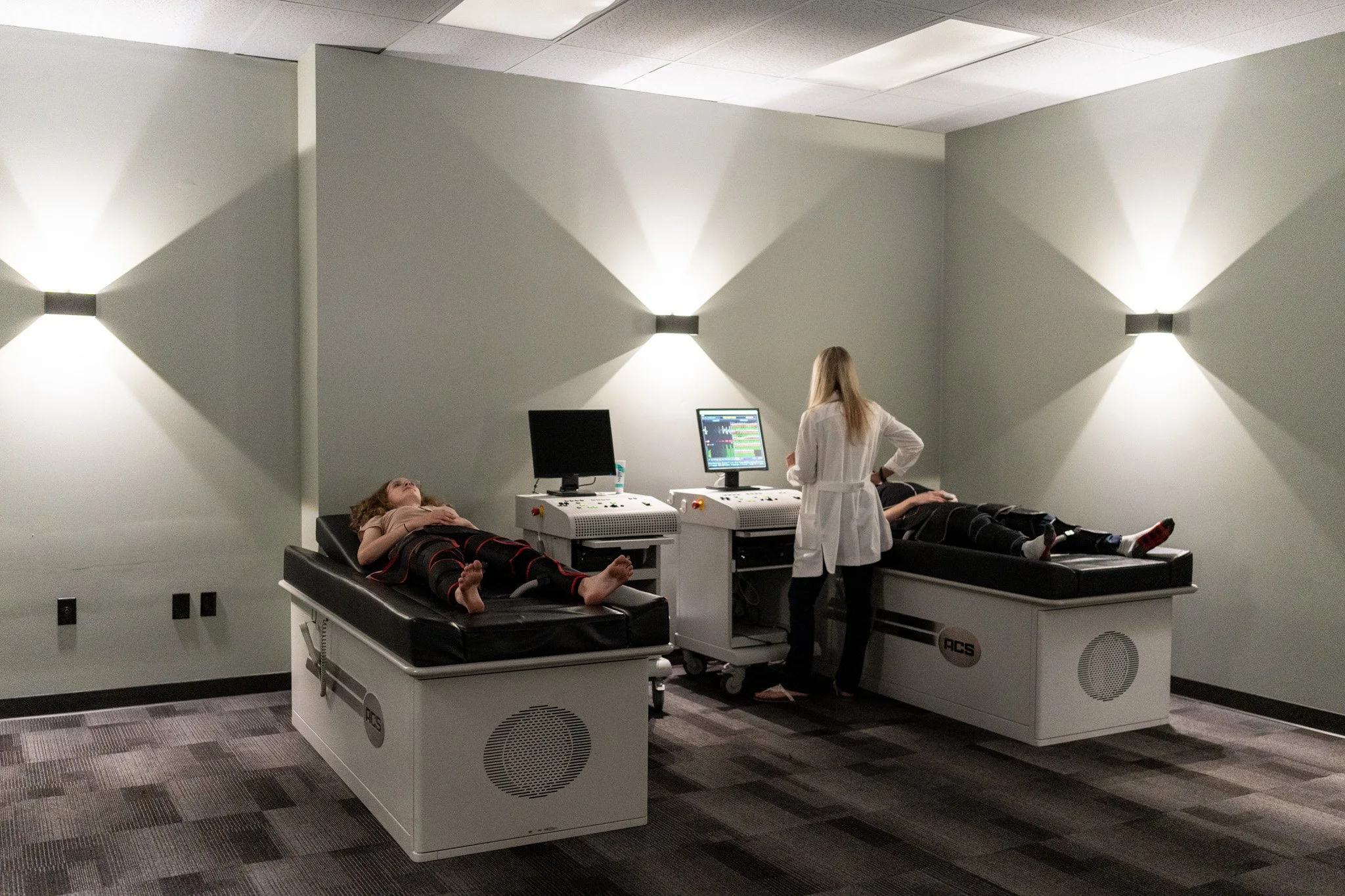
Enhanced External Counterpulsation (ECP) therapy is a non-invasive treatment that improves blood flow and reduces the workload on the heart, helping support better cardiovascular performance.
How ECP Therapy Works
Enhanced External Counterpulsation (ECP) therapy uses inflatable cuffs placed around the calves, thighs, and hips. These cuffs inflate and deflate in rhythm with the heartbeat, creating a pumping action that improves circulation throughout the body.
This process helps:
Increase oxygen-rich blood flow to the heart
Reduce the workload placed on the heart
Improve vascular and endothelial function
Enhance overall cardiovascular efficiency
By supporting healthier circulation and reducing strain on the heart, ECP therapy has been proven to help individuals with A-Fib improve their overall heart health and physical endurance.
Benefits for People with A-Fib
While ECP therapy is not a direct treatment for abnormal heart rhythms, it may provide supportive cardiovascular benefits that can help patients living with Atrial fibrillation.
Potential benefits may include:
Improved circulation and oxygen delivery
Reduced cardiac workload
Increased exercise tolerance
Improved energy levels
Better overall cardiovascular health
Because the therapy enhances blood flow and supports vascular health, many patients report feeling stronger and more energetic after completing treatment.